
The Natural Sciences Special Interest Group conducts interdisciplinary research spanning Neuroscience, Psychophysiology, and Cognitive Science, employing advanced methodologies including fMRI, EEG, and cognitive assessments to understand meditation’s effects on brain, body, and mind.
1. Neuroscience Research
Brain structure and function studies using fMRI and neuroimaging
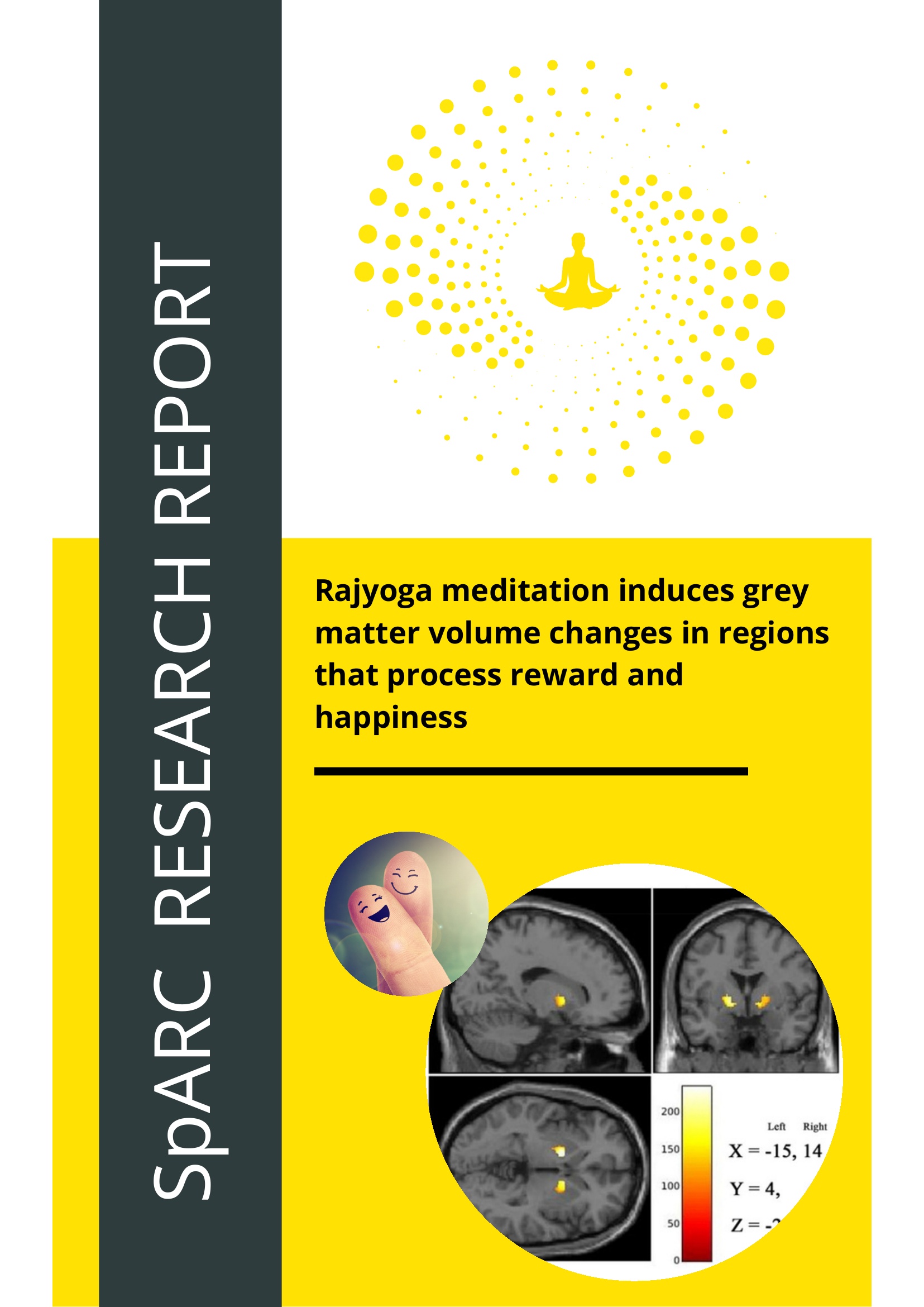
Grey Matter Volume Changes in Meditation
Scientific Reports (Nature Publishing Group)
Groundbreaking neuroimaging study demonstrating structural brain changes in long-term meditators, with increased grey matter volume in regions processing emotions and self-referential information.
Key Findings:
- Increased grey matter in prefrontal cortex
- Enhanced emotional processing regions
- Structural changes in self-awareness areas
- Correlation with meditation experience
- Biological evidence for neuroplasticity
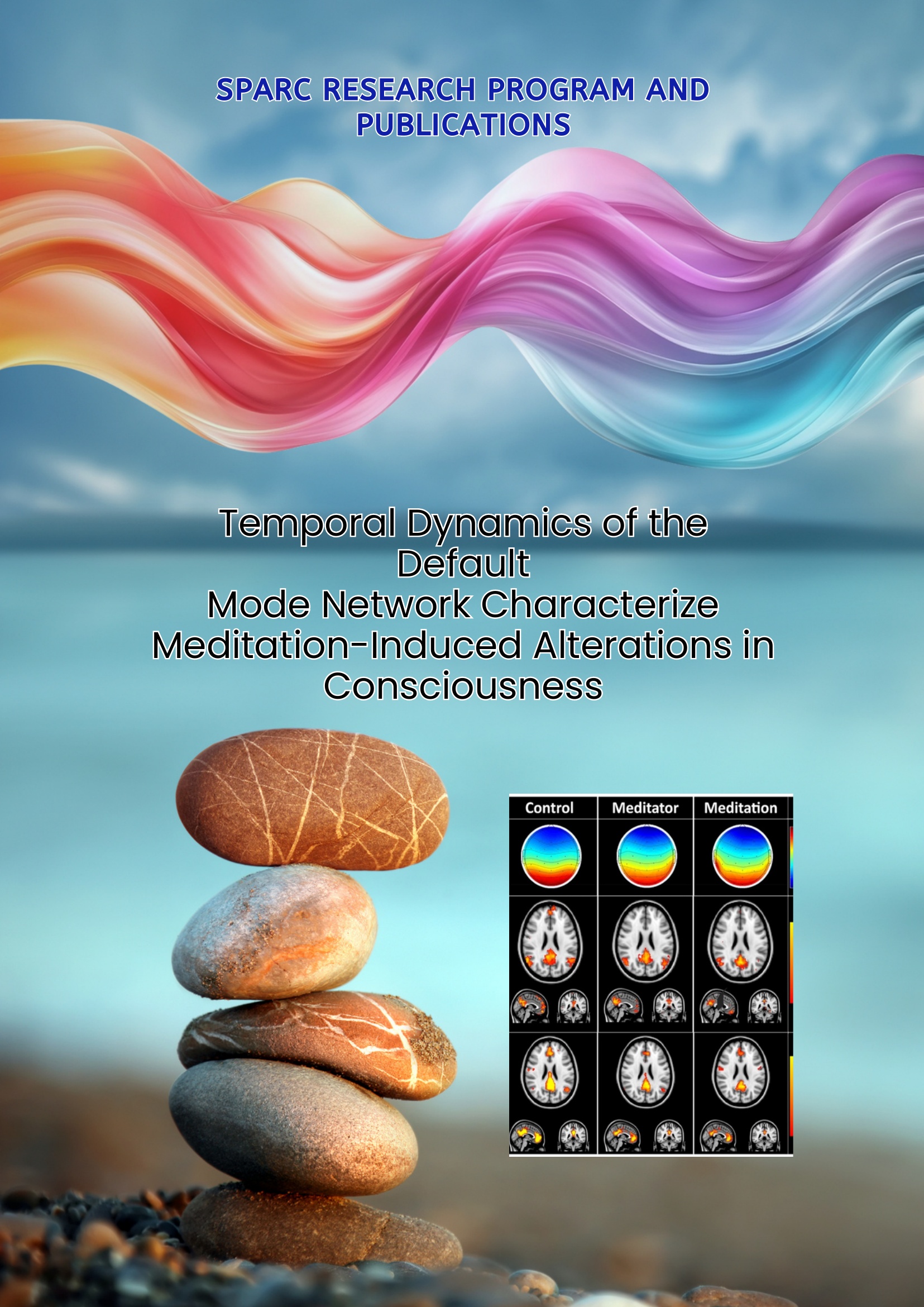
Temporal Dynamics of Default Mode Network
NIMHANS & SpARC Collaboration
Advanced fMRI study investigating how meditation affects the brain’s default mode network, which is active during rest and self-referential thinking, with implications for mental health.
Key Findings:
- Altered default mode network connectivity
- Reduced mind-wandering patterns
- Enhanced present-moment awareness
- Improved emotional regulation circuits
- Therapeutic potential for mental disorders
2. Psychophysiology Research
Physiological and brain electrical activity during meditation
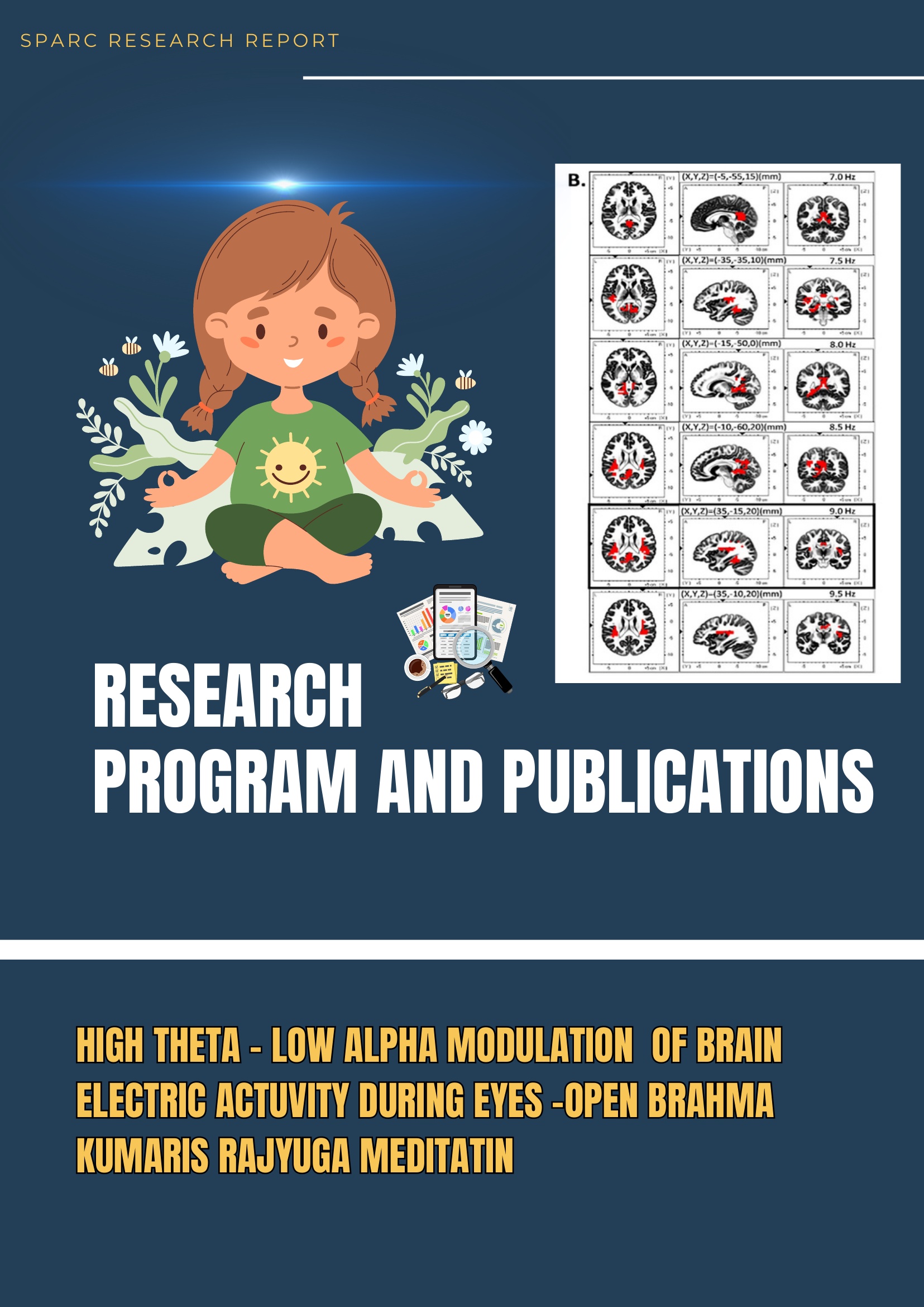
EEG Patterns: High Theta – Low Alpha
SpARC Psychophysiology Lab
Electrophysiological study examining characteristic brainwave patterns during Rajyoga meditation, identifying unique theta and alpha wave signatures associated with meditative states.
Key Findings:
- Elevated theta wave activity (4-8 Hz)
- Reduced alpha wave dominance (8-13 Hz)
- Unique EEG signature for meditation
- Correlation with subjective experience
- Distinct from sleep or relaxation states
Rapid Voluntary Conscious State Shifts
Long-term Meditators Study
Examining the ability of experienced meditators to rapidly shift between different conscious states, with “Just a Minute” meditation demonstrating measurable neurophysiological changes in ultra-brief sessions.
Key Findings:
- Rapid state transitions in experts
- Measurable changes in 60 seconds
- Voluntary control of brain states
- Skill develops with practice
- Practical applications for stress management
3. Cognitive Science Research
Cognitive functions and mental processes in meditation
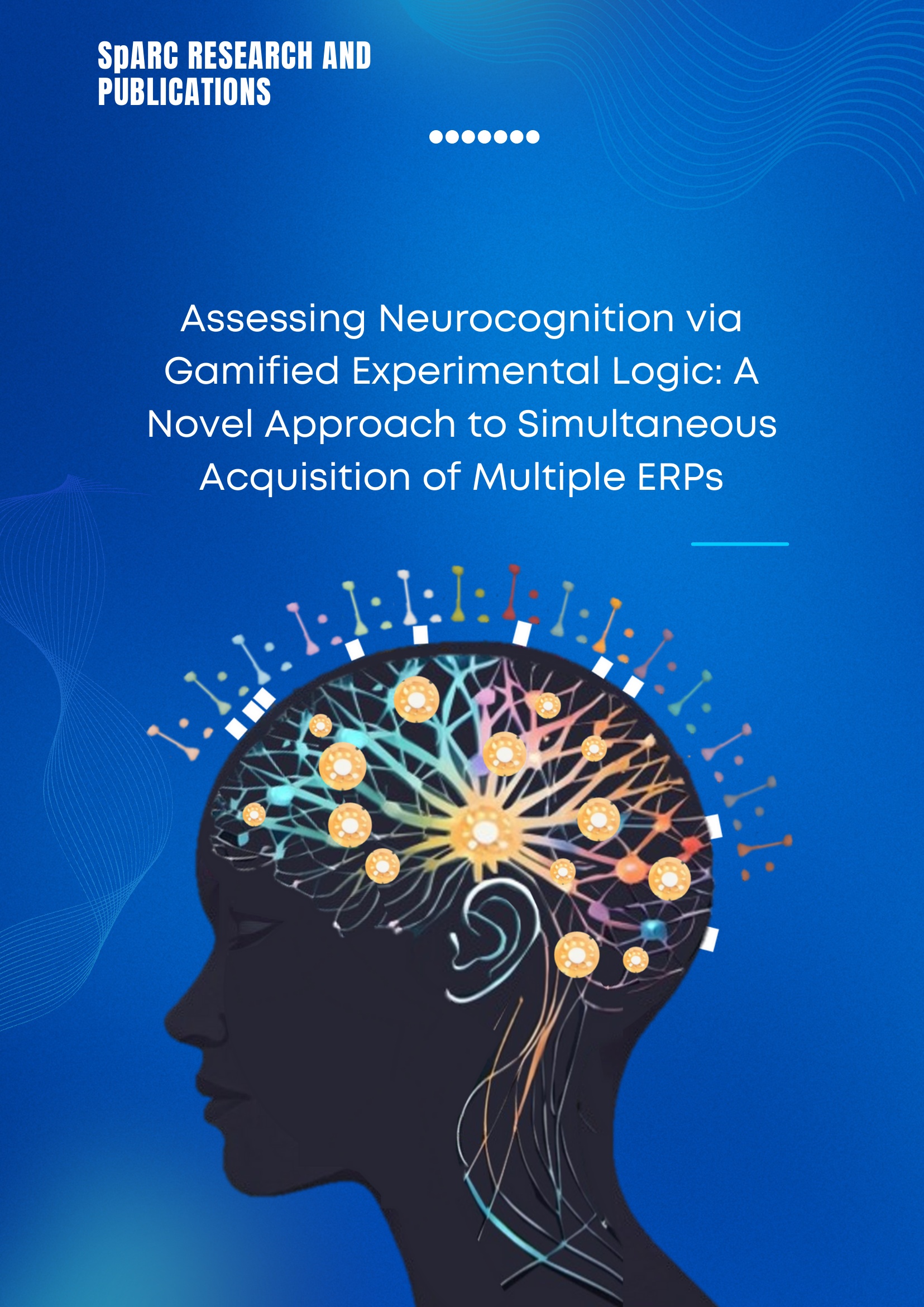
Neurocognition via Gamified Experimental Psychology
SpARC Research Wing
Innovative approach to assessing neurocognitive functions through gamified experimental paradigms, providing objective measures of meditation’s impact on cognitive performance and brain function.
Key Findings:
- Objective cognitive performance metrics
- Multiple ERP (Event-Related Potential) acquisition
- Gamification increases engagement
- Reliable neurocognitive assessment
- Applicable to large-scale studies
Research Methodologies
Advanced scientific techniques employed in our studies